Pay by Phone Casino: the Deposit Rail, Weighed
A phone-billed deposit is a small figure by design. Weigh the daily cap, the one-way rail and the withdrawal route before the first stake goes down.
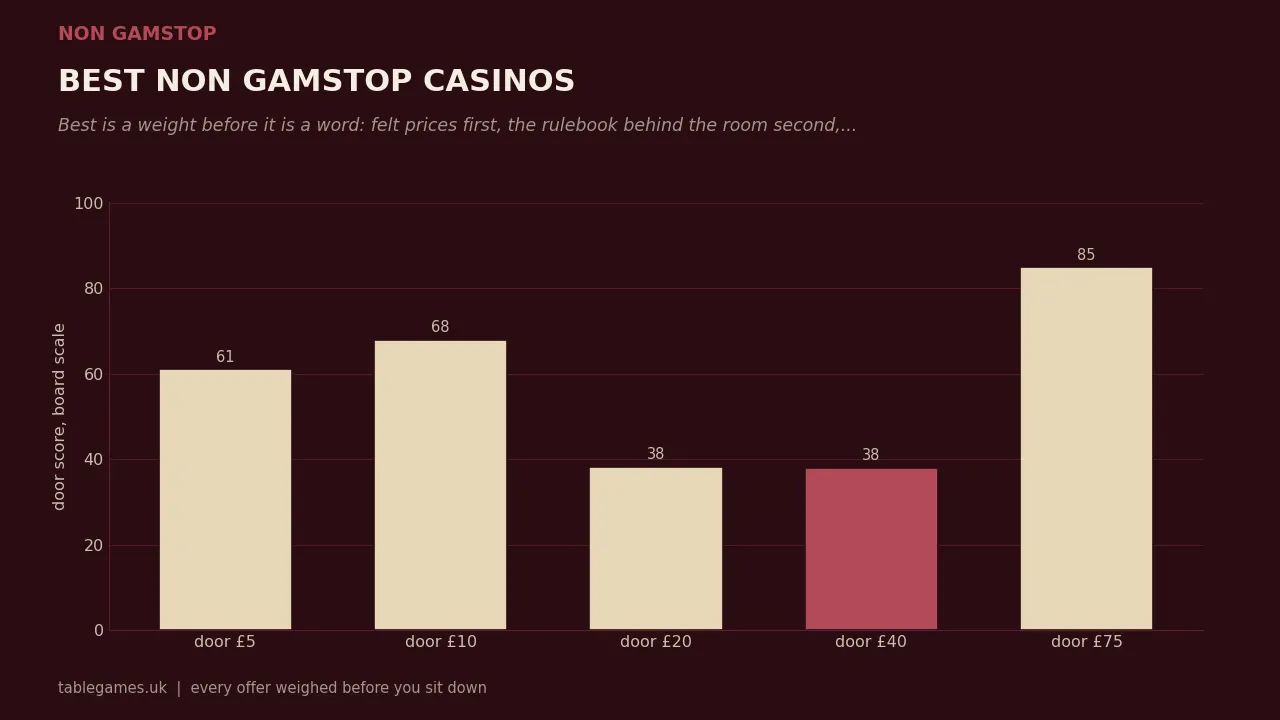
The table score
Four operators, weighed the way a croupier weighs a table: the entry price, the terms weight, the rails on offer, and how fast the cage pays. The scores are ours; the offers are quoted in the operator's own words.
Every card carries its table score out of 10 and four axis bars - licence, terms, payments and withdrawal. Offers move often - the operator's own page is always the current truth.

Welcome bonus €/£5,000 + 500 FS
Weigh the offer
Welcome pack €5,000 + 500 FS + €650 free bet
Weigh the offer
Casino welcome bonus 805% up to €6,400 + 280 FS
Weigh the offer
Welcome package 300% up to €/£1,000 + 150 FS
Weigh the offerCards appear in table-score order, the lower minimum deposit breaking ties. The bars visualise published figures, not a promise; nothing here is a recommendation to gamble, and the operator's own terms decide every claim.
What does a pay by phone casino change about the stake?
The tables set one price and the cashier sets another, and a pay by phone casino mostly moves the second. The stake boxes on the layout, the pocket count behind the wheel, the commission a banker line carries - none of that shifts because the deposit arrived on a phone bill. What shifts is the path the money takes to the table: a small charge fixed to a phone account, commonly bounded at modest daily figures, and rarely able to carry a withdrawal back the other way. The distinction matters because the two prices are checked in different places - the rules panel printed with the game, the cashier page for the rail - and this page weighs the second of them the way any rail is weighed, figure first, adjective last.
The mechanics are plain once the marketing names are stripped off. A deposit is charged either to the call credit sitting on a prepaid handset or as a line on a monthly phone account, and an intermediary service commonly sits between the room and the carrier to move the charge along. The room's cashier page, not the banner, carries the working numbers: the per-transaction ceiling, the daily ceiling, and whether the rail is open to a new account at all. Those are figures a player can chalk before depositing, and they decide more about the session than anything on the lobby above them.
The order of the weighing matters because the rail's figures interact. The daily cap bounds the float; the one-way flow decides where winnings leave by; the name the charge travels under decides how legible the spend is when the phone bill lands. Taken in that order, the rail prices itself in a minute. Skipped, the first session ends at the cap with the withdrawal route still unnamed - which is the commonest way this deposit method costs players time they never planned to spend.
The deposit box: small figures by design
Phone billing is built for small figures, and the caps reflect it. Rooms and carriers commonly bound the rail at modest daily ceilings, the cashier page carries the number that actually applies, and the practical effect is a float measured in tens of pounds rather than hundreds. Set against table minimums the float still works: RNG tables commonly deal from under £1 a round, while live tables commonly open somewhere between 50p and £10 by studio and game. A £20 float funded across two phone-billed deposits is a workable bankroll at those prices, and it is the size the rail was designed to carry.
The cap earns its place on the weigh card because it bounds the session as firmly as any stop a player might set. A live blackjack shoe dealing at 50 to 70 hands an hour, with a £2 minimum, moves £100 to £140 through the stake box in an hour, and a capped rail meets that pace quickly. The arithmetic is not a complaint; it is the shape of the product. A rail that carries small figures keeps stakes small, and a player who wants that brake gets it whether or not they asked for one.
Weigh the cap against the plan rather than against hope. A £20 float spread across a baccarat shoe at £2 a hand lasts hundreds of hands at the even-money lines; the same float at a £10 minimum lasts two hands. The cap does not choose between those plans - it only states what can be on the table at once. Chalk the ceiling beside the minimum and the session's length is arithmetic rather than a surprise, which is the whole point of pricing a rail before using it.
Pay by phone casino at a glance
- Entry price£20 typical
- Wagering35x on bonus
- Payout window1–2 working days
- Payments5 rails incl. e-wallet
The one-way rail: why deposits rarely return by phone
Most phone-billing rails run one way. The deposit lands on the phone account, but the withdrawal rarely comes back to it; sites route cash-outs to a bank account or a debit card instead, and a first withdrawal commonly brings the standard identity tests with it. That makes the route out part of the setup rather than an afterthought: name the destination before the first payment, and read the room's payments page for what the cash-out will ask for, because a player who has won and has no named destination waits on paperwork instead of playing.
The route out is part of the rail's rate, and it belongs on the card beside the cap. A £20 float that becomes £26 across a session has to leave by whatever method the room supports, at that method's own speed and with its own document list. how fast rooms return a withdrawal carries the timing figures for the second step, and the pattern behind it is the point: deposit-only rails trade convenience at the front door for a wait at the back, and the price is worth paying only once the player knows it is there.
Timing on the way out is hedged industry-wide rather than promised room by room. Withdrawal queues vary by operator and by method, and the honest source is the room's own payments page rather than a review's claim. What stays true across the board is the sequence: deposit by phone, withdraw by bank, and the paperwork sits at the second step. Plan the sequence and the rail costs nothing extra; skip the plan and the first withdrawal becomes the session's longest wait, with nothing at the tables to show for it.
Charging the bill: prepaid credit against the monthly account
Two mechanisms carry the charge, and they read differently at month end. Prepaid call credit is drawn down immediately, so the spend is bounded by whatever credit sat on the handset that day. Monthly accounts take the charge as a service line, settled when the bill is paid, which defers the cost without deferring the record of it. Either way the charge is named on the phone account, and that visibility is one of the rail's few structural virtues: every deposit is written down somewhere the player already looks, on a date the player did not have to keep.
A deferred line is not a free line. A pay-monthly charge is money owed when the bill lands, and it deserves the treatment any owed figure gets: known in advance, settled on time, never rolled into the next month to fund another session. Prepaid credit has the harder boundary, because when the credit runs out the rail simply closes until it is topped up, which is a brake by design. Which mechanism suits a player is a question about their own account rather than about the room; both arrive at the table as the same deposit, at the same posted minimums.
The detail worth checking is the name the charge travels under. Intermediary services bill under their own trading names, so a phone statement can show a line the player does not recognise on the day. A two-minute read of the cashier page - which service processes the charge, and under what name - settles that confusion before it starts, and it completes the deposit side of the card. Unchecked, the same line becomes a query to the carrier weeks later, which is a poor exchange for two minutes of reading.
| Brand | Welcome offer | Wagering | Min dep. | Withdrawal | Payments | Licence | Table score | Terms |
|---|---|---|---|---|---|---|---|---|
| Mega Riches | Bet £10 get £30–£40 (typical) | 30x–40x by productbest | £5–£10best | 1–3 working days+3d | Visa · Mastercard · PayPal · Apple Pay-1 rails | UKGC | 8.2 / 10 | Check the terms first |
| Bet365 | 100% up to £/€100 + spins (typical) | 35x typical+5x | £10+5 | 1–3 working days+3d | Visa · Mastercard · PayPal · Bank transfer-1 rails | UKGC | 7.8 / 10 | Check the terms first |
| 888 Sport | 100% up to £/€100 + spins (typical) | 40x typical+10x | £5–£10best | 1–3 working days+3d | Visa · Mastercard · Skrill · Apple Pay-1 rails | UKGC | 7.5 / 10 | Check the terms first |
| Betano | 100% up to £/€100 + spins (typical) | 40x typical+10x | £10–£20+5 | 24h e-wallets, 2–5 days cards+5d | Visa · Mastercard · Skrill · Apple Pay-1 rails | UKGC | 7.0 / 10 | Check the terms first |
| Velobet | 100% up to €/£1,000 + spins (typical range) | 30x–45x by gamebest | €10 equivalent+5 | Instant–24h on cryptobest | Bitcoin · Litecoin · Visa · Bank transfer-1 rails | Offshore | 6.8 / 10 | Check the terms first |
| JackpotCity | 100% up to €/£100 + 50 spins (typical) | 30x typicalbest | €10–€20+5 | 2–5 working days+5d | Visa · Mastercard · Trustly · Bank transfer-1 rails | Offshore | 5.9 / 10 | Check the terms first |
| 10bet | 100% up to €200 + spins (typical range) | 40x typical+10x | €20+15 | 1–3 working days+3d | Visa · Mastercard · Skrill · Neteller-1 rails | Offshore | 5.7 / 10 | Check the terms first |
| Magic Red | 100% up to €200 + spins (typical range) | 40x typical+10x | €10–€20+5 | 2–5 working days+5d | Visa · Mastercard · Trustly · Bank transfer-1 rails | Offshore | 5.2 / 10 | Check the terms first |
| Mystake | 100% up to €/£1,000 + spins (typical range) | 35x typical+5x | €20 equivalent+15 | Under 24h on crypto+24d | USDT · BTC · ETH · TRX · Visabest | Offshore | 4.9 / 10 | Check the terms first |
| Rolletto | 150% match + rakeback (typical range) | 35x typical+5x | €10 equivalent+5 | 24–48h (crypto fastest)+48d | Bitcoin · Litecoin · Visa · Bank transfer-1 rails | Offshore | 4.5 / 10 | Check the terms first |
| Rainbet | Crypto match up to 1 BTC equivalent (typical) | 40x typical+10x | €20 equivalent+15 | Under 24h on crypto+24d | BTC · ETH · USDT · MuchBetter-1 rails | Offshore | 4.1 / 10 | Check the terms first |
| NineWin | Matched deposit up to €/£500 + spins (typical) | 45x typical+15x | €10–€20+5 | 24–48h (crypto fastest)+48d | BTC · ETH · USDT · MuchBetter-1 rails | Offshore | 3.8 / 10 | Check the terms first |
The rail against the debit card: a weighed comparison
Against a debit card the phone rail trades ceiling for friction. A debit card moves larger figures in both directions, carries the withdrawal home directly, and posts to the bank statement under the player's own name; the phone rail caps low, runs one way, and adds an intermediary's name to the statement. What the phone rail offers back is the brake: a low daily ceiling is a boundary a card rail never imposes. The honest comparison is therefore not which rail is better in the abstract, but which cap the session plan actually wants.
The card comparison carries one hard British boundary worth restating: gambling on credit cards has been barred on UK-licensed rooms since April 2020, and a phone-billed charge is a billing line rather than card credit, though a pay-monthly balance is still money owed at month end. Some rooms accept cards regardless of that ban, and the acceptance reads as a risk flag, noted plainly rather than dressed as convenience. Many rooms that offer phone billing sit under offshore licences as well, which changes who answers a dispute while the odds on the felt stay as posted.
Marked on one line each, the comparison reads: debit card, higher ceiling, two directions, the player's name on the statement; phone rail, low ceiling, one direction, an intermediary's name instead. The player's own figures settle it - the size of the intended float, the number of sessions a week, and whether the withdrawal step should be automatic or planned. A rail chosen against those three lines is the right rail whatever the lobby claims. where a prepaid voucher fits the same slot weighs a sibling method that shares the one-way shape, at a different ceiling.
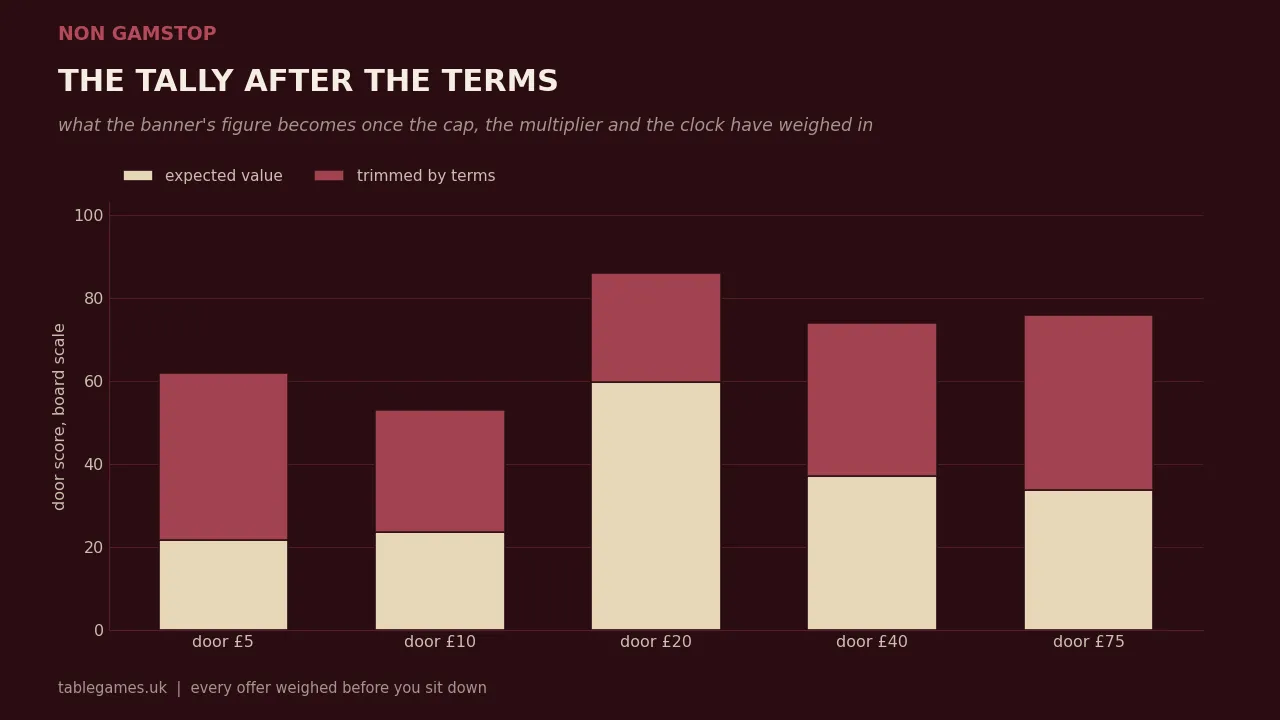
Where the phone rail suits a table player
The rail suits a particular shape of play: low stakes, short sessions, and a player who wants the spend visible on a phone account already checked each month. Outside bets on a roulette layout at £1 a spin, or an RNG blackjack table dealt from below a pound, match the cap's scale; the float survives, the session is measured in rounds rather than minutes, and the monthly bill records every deposit in one place. That visibility is a discipline feature, and it is worth more to some players than any speed claim.
It suits less well as stakes rise. A live table's pace, a baccarat commission worth optimising, or any plan that needs a three-figure float will outrun the cap and push play toward the bank route anyway, at which point the phone step is decoration. The two-rail setup is the honest answer for those players: phone-billed deposits for the small, bounded sessions, and the debit rail for everything else, with both routes named at the cashier before either is used, so neither session ends at a surprise.
Cost is the last line of the comparison, and both ends want checking. Deposits by this route are commonly taken without a room-side fee, but the intermediary or carrier side can levy its own charge, and the honest answer sits on the cashier page and the service's own terms rather than in a review. A rail that costs nothing at either end is the cheapest brake available; a £10 deposit carrying a 10 per cent service charge is a poor price for the same brake, and the arithmetic says so before the first stake is placed.
pay by phone casino: the checkout, chalked
The checkout is where the rail's few figures collect, and they fit on one card beside the stake boxes already chalked for the table. Read in order, the card answers every question a phone-billed deposit can raise before any money moves, and it costs one visit to the cashier page. Nothing on it is a promise about outcomes; every line is a number the room or the carrier has already posted.
The card, chalked before the first deposit:
- Chalk the daily cap from the cashier page above the deposit box.
- Name the withdrawal route and its document list before depositing a pound.
- Note the name the charge travels under on the phone statement.
- Match the float to the table minimum and the rounds per hour planned.
- Keep the two-rail plan: small bounded sessions by phone, the rest by bank.
A rail weighed this way is either priced for the plan or it is not, and the card shows which before the first charge lands. The tables behind it keep their own figures - pocket counts, commissions, posted minimums - unchanged by the deposit method, which is exactly why the deposit method deserves a short card of its own. Small figures, one direction, a named route out, a charge under a recognisable name: that is the whole price of the phone rail, and it reads in a minute.
Frequently asked questions
What is a pay by phone casino deposit?
It is a deposit charged to a phone account rather than a bank card. The charge either draws down prepaid call credit immediately or appears as a service line on a monthly bill, with an intermediary service commonly handling the transfer between the room and the carrier. The method is built for small figures: ceilings are commonly modest, the cashier page carries the working numbers, and the deposit usually reaches the balance at once.
How much can I deposit by phone each day?
The ceiling is set per room and per carrier rather than across the industry, so the honest figure is the one printed on the cashier page and the service's own terms. In practice the rail is built for small figures, with daily bounds commonly sitting at the modest end and per-transaction ceilings beneath them. A player planning a larger float should expect to fund it through a second route, usually a debit card or bank transfer, rather than by stacking phone charges.
Can I withdraw winnings back to my phone bill?
Not usually. The rail normally runs one way, from the phone account to the room, and withdrawals are routed to a bank account or debit card instead. That makes the cash-out route part of the setup rather than an afterthought: name it before depositing, expect a standard identity check before the first withdrawal, and read the room's payments page for the method's own timing rather than trusting a general claim.
Does a phone-billed deposit count as credit?
It is a billing line rather than card credit, but the distinction deserves care. On a prepaid handset the spend is bounded by the credit that already sits on the account. On a pay-monthly contract the charge is settled when the bill lands, which means the money was owed from the moment of deposit. British rooms have barred credit card gambling since April 2020; a phone bill line is a different instrument, and it is best treated with the same discipline.
Do phone deposits carry fees?
Both ends of the rail want checking. Rooms commonly take the deposit itself without a fee, while the intermediary service or the carrier can levy its own charge, and either figure changes the price of the rail. A £10 deposit that costs 50p in service charges is a 5 per cent toll before a single hand, which is more than most table edges charge in an hour. The cashier page and the service's own terms carry the working figures.
Is the rail a good fit for table games?
At low stakes, yes. RNG minimums commonly start under £1, and live minimums commonly run from 50p to £10 across studios, so a modest capped float funds a proper session. The fit narrows as stakes rise, because the daily ceiling meets a fast table's pace quickly and pushes larger play toward the bank route. Weigh the cap against the planned stake and the rail either suits the plan or does not.